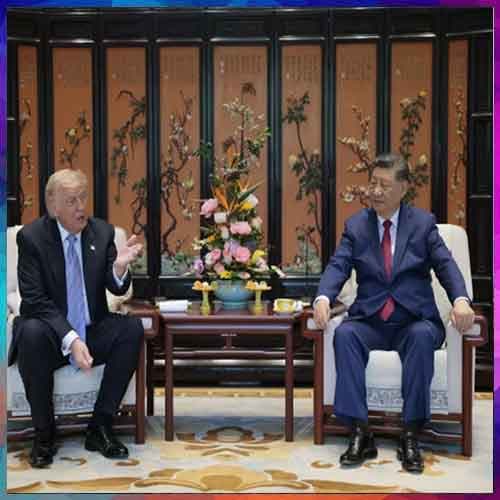
It is encouraging to see President Trump extend an offer to expand business ties with China during his recent state visit to Beijing. The summit with President Xi Jinping reflected a mutual desire to stabilize the strained relationship between the world’s two largest economies. While both sides sought to prevent further escalation, the meeting also exposed deep and persistent disagreements on several critical fronts.
The Trump-Xi summit this week highlights the growing influence of geopolitics on global markets at a time of increasing fragmentation and uncertainty. Trade tensions, regional conflicts, technological rivalry, and shifting alliances are no longer just political matters — they are actively reshaping supply chains, redirecting investment flows, and transforming energy systems.
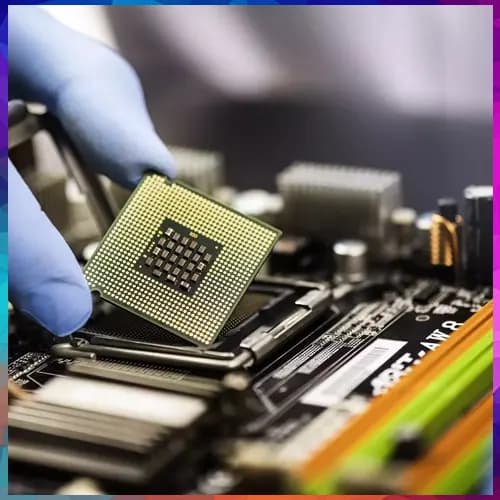
The talks produced several concrete commercial outcomes. Both nations agreed to establish bilateral trade and investment councils to facilitate dialogue and reduce tariffs on agricultural and manufactured goods. China also committed to purchasing 200 Boeing aircraft, marking the first major order for the U.S. company in nearly a decade. Additionally, ten Chinese firms were cleared to acquire advanced artificial intelligence chips from Nvidia, addressing a key priority for the U.S. delegation.
Global CEOs and their primary interests:
â— Elon Musk (Tesla/SpaceX): Tesla’s Shanghai Gigafactory is critical to its global production. Musk sought stability and expansion support for operations in China.
â—Tim Cook (Apple): Cook aimed to protect Apple’s vast supply chain and consumer market.
â— Jensen Huang (Nvidia): A last-minute addition who joined Air Force One in Alaska. Nvidia wants to ease restrictions and boost sales of advanced AI chips in China.
â— Larry Fink (BlackRock): Seeks greater access to China’s massive financial markets for its $10+ trillion in assets.
â— David Solomon (Goldman Sachs): Focused on expanding investment banking and operations inside China.
â— Jane Fraser (Citigroup): Pushed for lifting barriers to full banking activities in the Chinese market.
â— Kelly Ortberg (Boeing): China has withheld major aircraft orders for years. Boeing is eager to restart large purchases.
â— Brian Sikes (Cargill): America’s largest agricultural trader hopes to restore strong Chinese purchases of U.S. farm products.
â— Michael Miebach (Mastercard) & Ryan McInerney (Visa): Both payment giants are largely shut out of China’s domestic market and seek entry to serve 1.4 billion consumers.
â— Chuck Robbins (Cisco): Aims to reverse bans on Cisco equipment in Chinese government networks.
â— Sanjay Mehrotra (Micron): Looking to lift previous Chinese bans on its memory chips.
â— Cristiano Amon (Qualcomm): Relies heavily on Chinese smartphone manufacturers; wants to reduce trade war fallout.
â— Larry Culp (GE Aerospace): Seeks renewed access to China’s energy and aviation sectors.
â— Stephen Schwarzman (Blackstone): One of the largest foreign real estate investors in China, seeking political stability for existing assets.
â— Dina Powell (Meta): Facebook and Instagram remain blocked in China. Meta wants to explore ways to engage its vast potential user base.

Despite these agreements, fundamental differences remain. The United States continues to pressure China over trade imbalances, market access restrictions, intellectual property concerns, and technology export controls. China, in turn, has resisted what it sees as U.S. efforts to contain its economic and technological rise. Positions on Taiwan showed no movement, and the two countries continue to hold contrasting views on global governance, with the U.S. emphasizing alliances and a rules-based order while China advocates for greater multipolarity.
These developments are now moving beyond policy discussions and directly affecting everyday life. Rising fuel prices, persistent inflation, and higher household costs are visible consequences of this new reality. At the same time, geopolitical pressures are also accelerating the transition toward cleaner energy sources, as countries and companies seek greater self-reliance and long-term resilience.
On a more positive note, President Xi signaled that China would “open wider” to American businesses. This statement, combined with the commercial deals reached, suggests an intent to build a more stable and predictable economic relationship based on managed competition rather than open confrontation.
Overall, the summit succeeded in lowering immediate tensions and establishing mechanisms for continued dialogue. However, it fell short of delivering major breakthroughs, underscoring that both nations remain unwilling to compromise on issues they view as central to their strategic interests.